
Are Impact-Resistant Shingles Worth It? Class 4 Roofing Explained
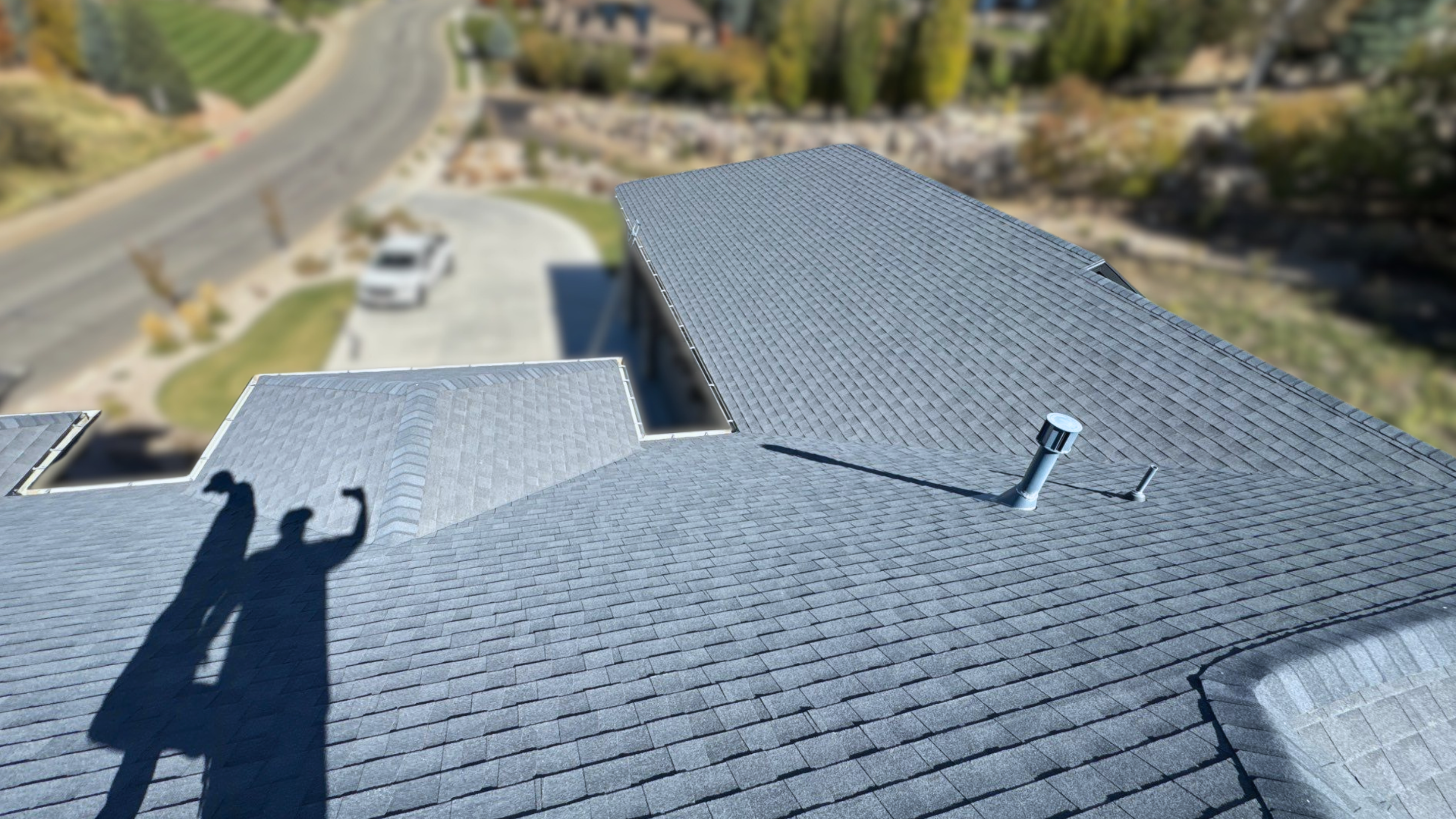
Are Impact-Resistant Shingles Worth It?
Short answer: For many homes in hail-prone areas, yes. Class 4 impact-resistant shingles are rated to withstand a 2-inch steel ball dropped from 20 feet without cracking, the highest rating under the UL 2218 impact test. They usually cost more than standard shingles, but they can reduce hail damage and, with some insurance carriers, may qualify for a premium discount. Whether they are worth it for your home depends on your local hail risk, your budget and how long you plan to stay.
Hail is on a lot of minds right now. Late October storms brought hail up to 2 inches to parts of Arizona, and the same storm system dropped golf ball-size hail in southern Utah near Rockville on Oct. 21 (NWS reports via HAIL.org). After a storm, the question we hear most is simple: if I am replacing my roof anyway, should I upgrade to impact-resistant shingles?
PRQ Exteriors is a BBB-accredited, Inc. 500 roofing company serving homeowners across Utah, Colorado, Arizona and beyond. This guide explains what Class 4 means, how impact ratings work, the pros and cons, what to know about insurance discounts and how to decide if impact-resistant roofing is right for you.
What Does Class 4 Mean?
Short answer: "Class 4" is the highest impact rating under UL 2218, a lab test that drops steel balls onto roofing materials. To earn Class 4, a product must withstand a 2-inch steel ball dropped from 20 feet without cracking or rupturing (GAF).
Here is how the UL 2218 test works:
- Steel balls are dropped onto the roofing from set heights. The bigger the ball and the higher the drop, the higher the class.
- Each spot is hit more than once. GAF describes the Class 4 test as dropping a 2-inch steel ball twice from 20 feet onto target locations.
- The back of the product is checked for cracks. To pass, there can be no visible crack or rupture through the shingle at the impact site.
You may also see FM 4473, a different test that fires ice balls at roofing to simulate hail. Both tests give a Class 4 rating at the top end, and insurers may accept either. UL 2218 measures cracking and rupture, not cosmetic dents, so a Class 4 roof can still show marks after a big storm.
UL 2218 Impact Ratings: Class 1 to Class 4
|
Rating |
Steel ball size |
Drop height |
Roughly matches hail about the size of |
|---|---|---|---|
|
Class 1 |
1.25 inches |
12 feet |
A half dollar |
|
Class 2 |
1.5 inches |
15 feet |
A ping pong ball |
|
Class 3 |
1.75 inches |
17 feet |
A golf ball |
|
Class 4 |
2 inches |
20 feet |
A hen egg |
Ball sizes and drop heights come from the UL 2218 standard as summarized in Asphalt magazine.
Class 3 vs. Class 4: Class 3 shingles pass a 1.75-inch ball from 17 feet, while Class 4 shingles pass a 2-inch ball from 20 feet. According to GAF, some insurance carriers may offer discounts for qualifying Class 3 or Class 4 roofing products.
Types of Class 4 Roofing Materials
Class 4 is a rating, not a single product. Several kinds of roofing can earn it:
- SBS-modified asphalt shingles – These look like standard architectural shingles but use rubberized (SBS-modified) asphalt for more flexibility. GAF's Timberline AS II, for example, is made with SBS-modified asphalt and carries a UL 2218 Class 4 rating (GAF).
- Stone-coated steel – Steel panels with a stone-chip finish that can look like shingles, shakes or tile. Ask for the specific product's UL 2218 rating. PRQ installs stone-coated steel roofing.
- Metal roofing – Some steel and aluminum roofing products are certified to UL 2218 Class 4.
Pro tip: Always check the rating for the exact product, not just the brand. A manufacturer may make both Class 4 and non-rated versions of similar-looking roofing.
Pros and Cons of Impact-Resistant Shingles
|
Pros |
Cons |
|---|---|
|
Tested to resist cracking from a 2-inch steel ball dropped from 20 feet |
Usually cost more than standard shingles |
|
Some insurance carriers may offer premium discounts for qualifying Class 3 or Class 4 products |
Discounts are not offered by every carrier or in every situation |
|
SBS-modified shingles stay more flexible than standard asphalt shingles |
Not hail-proof: very large hail can still damage them, and dents or granule loss can still happen |
|
Some products can be used toward FORTIFIED Roof requirements |
Real-world performance varies by product, even among Class 4 shingles |
|
Some Class 4 shingles, like GAF Timberline AS II, also carry high wind ratings |
Manufacturers may not warranty impact performance |
One important fine print item: GAF states that it makes no express or implied warranty about the impact performance of its products that pass UL 2218 testing (GAF). A Class 4 rating tells you how a product performed in a lab test, not how it is guaranteed to perform on your roof.
Do Impact-Resistant Shingles Lower Insurance Premiums?
Short answer: Sometimes. GAF notes that some insurance carriers may offer homeowners insurance discounts for qualifying UL 2218 Class 3 or Class 4 roofing products. Whether you qualify, and how much you save, depends on your carrier, your policy and where you live.
Before you upgrade, call your insurance agent and ask:
- Do you offer a discount for impact-resistant roofing? Ask whether it requires Class 3 or Class 4.
- Which tests do you accept? Some carriers may accept UL 2218 or FM 4473 ratings.
- What proof do you need? This is often a certificate, the product name and rating and your installation invoice.
- Does the discount apply to my wind/hail coverage or the whole premium?
- Would an impact-resistant roof change my deductible or how hail claims are handled?
Keep your paperwork. After installation, save the product information, rating documentation and invoice in one place so you can send it to your insurer and keep it for future claims.
PRQ's insurance experts can help you understand how your roof choice fits with your coverage.
Are Class 4 Shingles Worth It in Utah and Arizona?
There is no one-size-fits-all answer, but recent storms are a good reminder that hail is not just a Midwest problem. In October 2026 alone, NWS storm reports logged hail up to 2 inches in Mesa and Glendale, golf ball-size hail in Flagstaff and golf ball-size hail in southern Utah near Rockville.
Class 4 roofing is worth a serious look if:
- You are already replacing your roof, so you are only paying the difference for the upgrade
- Your area has had damaging hail before, or your roof has been replaced after hail in the past
- Your insurance carrier offers a discount for impact-resistant roofing
- You plan to stay in your home for many years
- You want extra peace of mind during storm season
Standard shingles may still make sense if:
- Your budget is tight and your area rarely sees large hail
- You plan to sell soon and are unlikely to recoup the extra cost
- Your carrier does not offer a discount and hail risk where you live is low
The best way to decide is to compare quotes for both options side by side, then call your insurance agent to see if a discount changes the math.
What Impact-Resistant Does Not Mean
Is a Class 4 roof hail-proof? No. A Class 4 rating means a product passed a specific lab test. It does not mean the roof cannot be damaged.
Keep these limits in mind:
- Real hail is not a steel ball. Real hailstones vary in size, density, speed and angle, unlike a uniform steel ball dropped straight down in a lab.
- Not all Class 4 shingles perform the same. The Insurance Institute for Business & Home Safety (IBHS) evaluates Class 4 shingles every two years using ice balls and rates them on dents and ridges, tears and granule loss. Its results have shown real differences between products, and in its 2025 round, some Class 3 shingles outperformed some Class 4 shingles (Asphalt magazine).
- Dents and granule loss can still happen. UL 2218 checks for cracks and ruptures, so a roof can pass the test and still show cosmetic damage after a storm.
- Installation still matters. Flashing, ventilation and proper nailing affect how any roof performs, regardless of its impact rating.
Bottom line: impact-resistant roofing can improve your odds in a hailstorm, but it is still smart to get your roof inspected after any significant storm.
Thinking About an Impact-Resistant Roof? Start With an Inspection
If your roof took a hit in a recent storm or is nearing the end of its life, a free inspection is the best first step. A PRQ inspector can show you the condition of your current roof and help you weigh your options.
- Roof inspection – We check for hail and wind damage, wear and any areas that need attention, and document what we find with photos.
- Repair or replace recommendation – You get a clear picture of whether a repair will do or a roof replacement makes more sense.
- Material options – Ask about impact-rated shingles and stone-coated steel, so you can compare cost, look and performance.
- Insurance guidance – PRQ's insurance experts can help if you are filing a storm damage claim.
The inspection is free and carries no obligation.
Frequently Asked Questions
What is a Class 4 roof?
A Class 4 roof uses roofing material that earned the highest rating under the UL 2218 impact test, meaning it withstood a 2-inch steel ball dropped from 20 feet without cracking.
What is the difference between Class 3 and Class 4 shingles?
Class 3 shingles pass a 1.75-inch steel ball dropped from 17 feet. Class 4 shingles pass a 2-inch steel ball dropped from 20 feet.
Are impact-resistant shingles hail-proof?
No. They are tested to resist cracking, but very large hail can still damage them, and dents or granule loss can still happen.
Will Class 4 shingles lower my insurance?
They might. Some carriers may offer discounts for qualifying Class 3 or Class 4 roofing products. Ask your agent before you choose a roof.
Do Class 4 shingles look different from regular shingles?
Many Class 4 asphalt shingles look like standard architectural shingles. Stone-coated steel can mimic shingles, shakes or tile.
What is the difference between UL 2218 and FM 4473?
UL 2218 drops steel balls onto roofing from set heights. FM 4473 fires ice balls to simulate hail. Both have Class 4 as the top rating.
Should I upgrade to impact-resistant shingles if I am replacing my roof after hail?
It is worth considering, especially if your area has seen damaging hail before. Compare quotes for both options and check with your insurer about discounts.
Get Expert Advice on Your Next Roof
Impact-resistant shingles can be a smart upgrade, especially when you are already replacing your roof and your insurer rewards it. The right choice depends on your home, your budget and your local hail risk.
Schedule your free, no-obligation roof inspection today. Request your free roof inspection, explore roof replacement options or get an instant quote.
Sources and Helpful Resources
- Class 4 Roof Shingles (GAF)
- Timberline AS II Shingles (GAF)
- Testing the tests: A closer look at shingle impact ratings (Asphalt magazine)
- IBHS Hail Impact Resistant Shingle Ratings (IBHS)
- Wednesday, October 21, 2026 hail reports (NWS storm reports via HAIL.org)
This article is for general education. Product ratings, warranties and insurance discounts vary by manufacturer, product and carrier. Confirm details with the manufacturer and your insurance agent before making a decision.