
How to Prevent Ice Dams on Your Roof: A Utah Homeowner's Guide
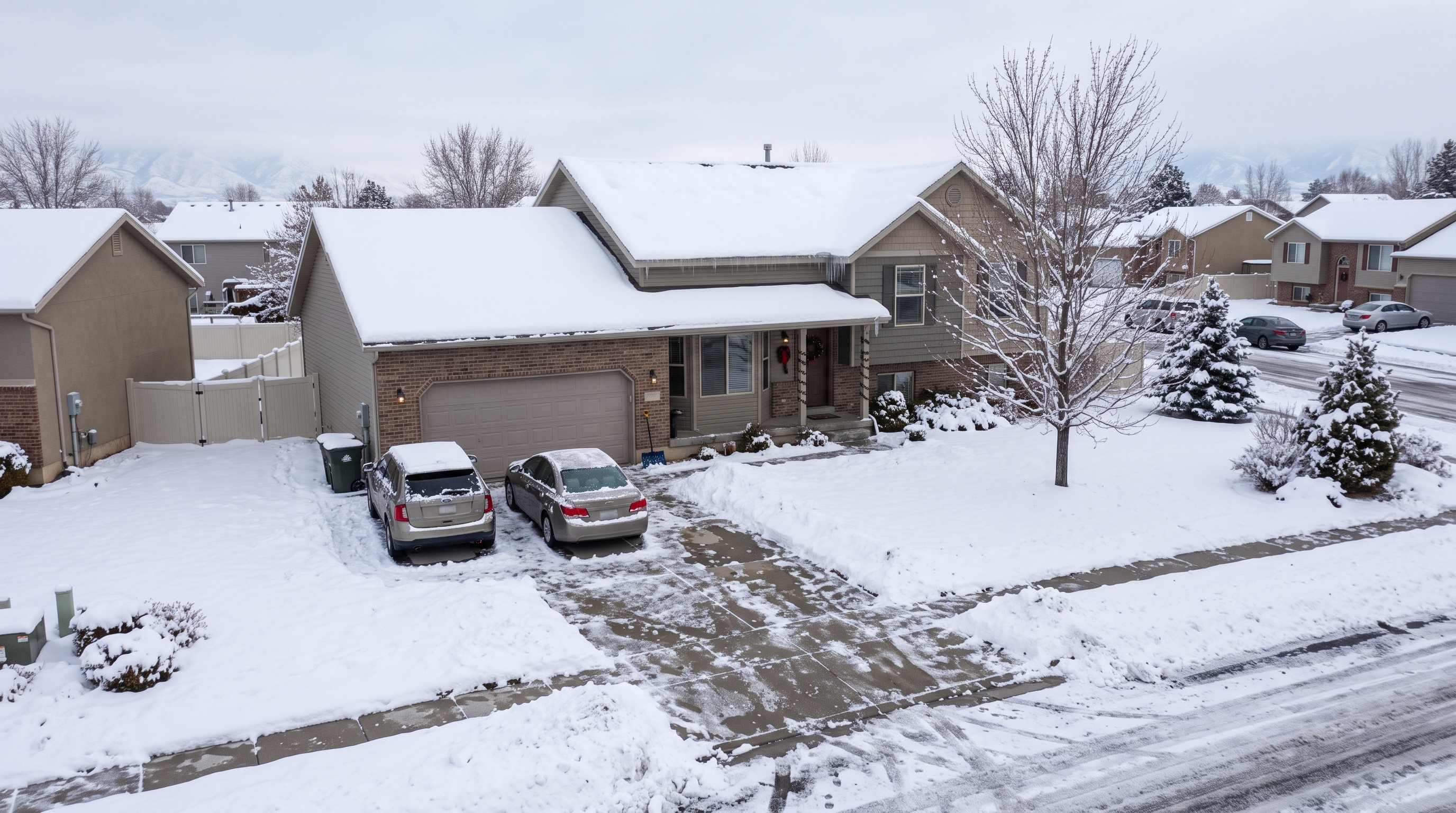
Ice Dams in Utah: What Every Wasatch Front Homeowner Should Know
Short answer: An ice dam is a ridge of ice that forms at the edge of a roof and traps melting snow behind it. To prevent ice dams on your roof, keep the roof deck cold and give meltwater a warm path off the eaves. That means sealing attic air leaks, adding attic insulation, balancing attic ventilation, installing ice and water shield and adding a roof de-icing system like Thermaline on the edges, valleys and gutters that ice up every year.
Utah homeowners remember the 2022–23 winter. Salt Lake City logged 87.3 inches of snow, its 11th-snowiest season since records began in 1885, and the statewide snowpack broke a record that had stood since 1952 (KSL). That season left plenty of Salt Lake Valley homes with icicles, sagging gutters and ceiling water stains. Even an average winter brings enough storms and sunny thaws to build ice dams on the wrong roof.
PRQ Exteriors is a BBB-accredited, Inc. 500 roofing company and a certified Thermaline installer serving homes and businesses across the Wasatch Front. This guide covers what causes ice dams, why Utah roofs are so vulnerable, how to remove ice dams safely and the ice dam prevention steps that actually work.
What Causes Ice Dams?
Ice dams start inside the house, not on the roof. Attic heat loss warms the roof deck, snow melts from below, and the meltwater runs down to the cold eaves. There it refreezes, and each freeze-thaw cycle makes the dam taller.
Here are the ice dam causes we see most on Utah homes:
|
Cause |
Why it leads to ice dams |
Typical fix |
|---|---|---|
|
Attic air leaks |
Warm air escapes through can lights, bath fans, hatches and plumbing stacks |
Air seal the attic floor |
|
Inadequate attic insulation |
Heat moves through thin or settled insulation and warms the roof deck |
Add insulation to current recommended levels |
|
Poor attic ventilation |
Blocked soffits or missing ridge vents trap warm air under the roof |
Balanced soffit and ridge ventilation |
|
Cold eaves and overhangs |
The roof edge sits outside the heated envelope and stays below freezing |
Heated roof edge such as Thermaline |
|
Valleys and complex rooflines |
Valleys funnel large amounts of snowmelt into one spot |
Heated valley panels, ice and water shield |
|
Clogged or frozen gutters |
Meltwater has nowhere to go and freezes in place |
Gutter heat cable, cleaning, proper slope |
|
North-facing roof edges |
Shaded eaves stay frozen long after the rest of the roof melts |
Targeted roof de-icing system |
In short, what causes ice dams is a warm roof deck above a cold roof edge, with melting snow refreezing at the eaves. ENERGY STAR lists ice dams as a common symptom of attic air leaks and notes that air sealing plus insulation can help prevent them.
Why Ice Dams Hit Salt Lake City and the Wasatch Front So Hard
Is Utah worse for ice dams than other snowy states? In many ways, yes. Salt Lake Valley winters pair heavy storms with high-altitude sun. Snow melts on the roof by afternoon and refreezes at the eaves overnight, which is exactly how ice dams grow.
Local factors that raise the risk:
- Wasatch Front snow. Storms stack up against the mountains, so bench neighborhoods in Sandy, Draper, Holladay and Cottonwood Heights often get more snow than the valley floor.
- Lake effect snow. The Great Salt Lake can add narrow bands of heavy snow that dump several inches in a few hours.
- Mountain communities. Park City roofs carry deep snowpack for months, with cold nights that keep ice dams growing all season.
- Valley inversions. Cold air settles over the valley for days, keeping eaves frozen while attic heat keeps melting snow above them.
- Older homes. Many homes in Holladay, West Jordan and Salt Lake City were built before today's insulation and ventilation standards.
That is why ice dams in Salt Lake City show up even on newer roofs. Ice dam prevention belongs on every Utah winter roof maintenance checklist.
Are Ice Dams Bad for My Roof? Warning Signs and Damage
Short answer: Yes. Shingles are built to shed water downhill, not hold back standing water. When an ice dam traps meltwater, it backs up under the shingles and causes an ice dam roof leak, often days after the storm.
|
Warning sign |
What it usually means |
|---|---|
|
Thick icicles on gutters |
Meltwater is refreezing at the eaves; an ice dam is likely forming |
|
Ceiling water stains near exterior walls |
Water has backed up under shingles and reached the drywall |
|
Damp or frosty attic insulation |
Warm air is leaking into the attic, or water is getting in |
|
Bent or pulling gutters |
Gutter damage from ice weight, often hundreds of pounds per run |
|
Bare roof patches while neighbors' roofs are snow-covered |
Heat loss through the attic is melting snow from below |
|
Peeling paint or stains on exterior walls |
Ice dam water damage running behind siding or soffits |
Left alone, ice dam water damage can lead to wet insulation, mold, rotted fascia and soffits and repeat leaks every winter. Large icicles on gutters are also a falling-ice hazard over doors, walkways and driveways.
How to Prevent Ice Dams on Your Roof
The best approach to preventing ice dams on the roof works in two directions: keep heat out of the attic, and protect the roof edge when Utah weather wins anyway.
- Seal attic air leaks – Close gaps around can lights, bath fans, attic hatches, chimneys and plumbing stacks. It is often the lowest-cost fix with the biggest payoff.
- Add attic insulation – Bring insulation up to current recommended levels so living-space heat stays below the ceiling.
- Balance attic ventilation – Clear soffit vents and pair them with ridge vents so cold air washes under the roof deck. Attic insulation and ventilation work as a team.
- Install ice and water shield – This self-adhering membrane goes under shingles at the eaves and valleys. It will not stop an ice dam from forming, but it blocks leaks when water backs up.
- Rake the roof edge – After a big storm, pull the first few feet of snow off the eaves with a roof rake for snow, working from the ground.
- Add a roof de-icing system – Roof heat cable, heat tape for roof edges, gutter heat cable or heated panels keep a melt path open so water drains instead of refreezing.
Pro tip: Steps 1–3 treat the cause; steps 4–6 protect the roof edge. On complex rooflines, north-facing eaves and valleys, a roof de-icing system is often the only reliable fix.
PRQ's Ice Dam Prevention Services
Ice dam prevention is a whole-roof job. PRQ Exteriors combines roof-edge protection, ventilation and waterproofing so each piece backs up the next. Here is how we help Utah homeowners and property owners stop ice dams.
Certified Thermaline Installation
Traditional roof heat cable is zigzagged across shingles and clipped in place, where sun and ice wear it out. Thermaline takes a different approach. A UL-listed self-regulating heat cable sits inside a protective copper, aluminum or steel panel that runs along the roof edge and keeps snowmelt moving into the gutter.
According to Thermaline, the system offers:
- Energy savings of up to 65% compared with replacing standard heat tape
- Low maintenance, roughly once every 10 years, because the panel shields the cable
- No deck penetrations on ThermaShingle, which locks onto new or existing asphalt shingles
- Curb appeal, with panel designs and colors that blend into the roofline
- UL listing, the only heated ice melt panels to earn one
As a certified Thermaline installer, PRQ designs each layout around your eaves, valleys and gutters, then handles the full Thermaline installation from panels to power.
Heated Valleys, Gutters and Metal Roof Edges
Valleys and gutters are where ice dams start on most Utah homes. We pair ThermaShingle on the eaves with ThermaValley in the valleys and ThermaGutter for gutter heat cable protection. Metal roofs get ThermaDrip or ThermaSeam for a warm, low-profile drip edge.
Ice and Water Shield on Every Reroof
Every PRQ roof replacement in snow country includes ice and water shield at the eaves and valleys. Planning a reroof? It is the best time to add ThermaShingle+ or ThermaValley+, which adhere directly to the membrane.
Attic Ventilation Upgrades
We check soffit, ridge and gable vents during every inspection and correct roof-side ventilation so the deck stays close to outdoor temperature.
Commercial Roof Ice Dams and Flat Roof De-Icing
Commercial roof ice dams look different. On flat and low-slope roofs, flat roof ice buildup collects around drains, scuppers and parapets. When a roof drain freezes, water ponds, adds weight and finds seams. PRQ's commercial roof de-icing uses ThermaFlat panels, heated drains and downspout cable to keep water moving for property managers, HOAs and building owners.
How to Remove Ice Dams Safely
Short answer: The safest ice dam removal method is professional ice dam steaming, which melts through the ice with low-pressure steam without damaging shingles or gutters. For a temporary fix, a calcium chloride ice melt sock can open a drainage channel.
|
Method |
Safe for your roof? |
Notes |
|---|---|---|
|
Ice dam steaming |
Yes |
The professional standard for ice dam removal in Salt Lake City |
|
Calcium chloride ice melt in a sock |
Yes, short term |
Lay it across the dam to melt a channel to the gutter |
|
Roof rake for snow, from the ground |
Yes |
Removes the snow that feeds the dam |
|
Rock salt |
No |
Corrodes gutters and flashing, stains siding, kills plants below |
|
Hammers, axes or shovels |
No |
Cracks shingles, punctures underlayment, tears gutters |
|
Pressure washers or open flames |
No |
Strips granules, forces water under shingles, fire risk |
|
Climbing an icy roof |
No |
Ice, snow and pitch make falls likely; leave it to a pro |
To remove ice dams safely, stay on the ground and call a pro. Then fix the cause so the same dam does not come back next storm.
What Happens During a PRQ Ice Dam Inspection
What does an ice dam inspection include? A PRQ inspector checks your roof edges, valleys, gutters, ventilation and attic for the conditions that create ice dams. The inspection is free and carries no obligation.
- Roof edges and valleys – We look for ice staining, damaged shingles, missing ice and water shield and the valleys that funnel the most snowmelt.
- Gutters and downspouts – We check slope, fasteners, ice damage and where water drains.
- Attic and ventilation – We look for frost, damp insulation, blocked soffits and signs of attic heat loss.
- Your written plan – You get photos, priorities ranked by impact and a scope and price for the work you choose, including a Thermaline layout if it fits your roof.
The best time to schedule is late summer or fall, before the first Wasatch Front storm. If you already have an active ice dam leak, call us right away.
Ice Dams and Homeowners Insurance in Utah
Does homeowners insurance cover ice dams? Many policies cover sudden interior water damage from an ice dam roof leak, such as stained ceilings or soaked drywall. Most do not pay for ice dam removal itself, and carriers may deny claims they tie to poor maintenance or long-term neglect. Coverage varies by policy, so call your insurer before you assume either way.
If ice dam water damage shows up, document it right away. Keep a simple file with dated photos of the ice and the interior damage, receipts for removal and repairs and any inspection reports. PRQ's insurance experts can walk you through the claim process and document roof damage with a full photo report.
Utah Ice Dam FAQ
Are ice dams bad for my roof?
Yes. Ice dams trap water where shingles are designed to shed it. Over time they cause leaks, rotted decking, wet insulation and gutter damage.
Can ice dams cause roof leaks?
Yes. Water pooled behind an ice dam backs up under shingles and leaks into the attic, walls and ceilings. Ice and water shield limits the damage, but it does not stop the dam.
When should I install heat cable on my roof?
Late summer or fall, before the first snow. The roof is dry and safe to work on. If you are replacing your roof, install heated panels during the reroof.
How much does roof heat cable installation cost?
Cost depends on the linear feet of eaves, valleys and gutters, your roof type and whether you need a new electrical circuit. Basic heat tape costs less up front, while a heated panel system lasts longer and uses less energy. PRQ provides a free estimate with an exact price for your home.
Do heat cables really prevent ice dams?
Yes, when they are designed and installed correctly. Heat cable keeps a melt channel open so water drains instead of refreezing. Panel systems like Thermaline spread heat more evenly and protect the cable from wear.
Is Thermaline better than heat tape?
For most Utah roofs, yes. Thermaline reports up to 65% energy savings versus heat tape, and its panels protect the cable so maintenance drops to about once every 10 years. It also looks cleaner than zigzag cable.
Should I remove ice dams myself?
We do not recommend it. Using a roof rake from the ground is fine, but climbing an icy roof or chipping ice is dangerous and damages shingles. Professional ice dam steaming is safer.
Does PRQ offer ice dam removal and prevention near me?
Yes. PRQ Exteriors provides ice dam removal and ice dam prevention in Salt Lake City, Sandy, Draper, West Jordan, Park City, Holladay, Cottonwood Heights and across the Salt Lake Valley.
Book Your Free Ice Dam Inspection With PRQ Exteriors
Ice dams are predictable, which means they are preventable. Seal and insulate the attic, ventilate the roof deck, back up the eaves with ice and water shield and add a heated roof edge where Utah snow hits hardest.
Schedule your free, no-obligation ice dam inspection today. Request your free roof inspection online or get a quote for certified Thermaline installation. Not ready to book? Get a satellite-measured instant quote first.
Helpful Resources for Utah Homeowners
- Thermaline roof ice melt systems (Thermaline)
- Attic Air Sealing Project (ENERGY STAR)
- Salt Lake's snowfall exceeds 80 inches for 1st time in 27 years (KSL, April 2023)
This article is for general education. Roof conditions, insurance coverage and product performance vary. Stay off icy roofs and call a professional for ice dam removal.