
Is It Too Late to Replace Your Roof Before Winter in Utah?
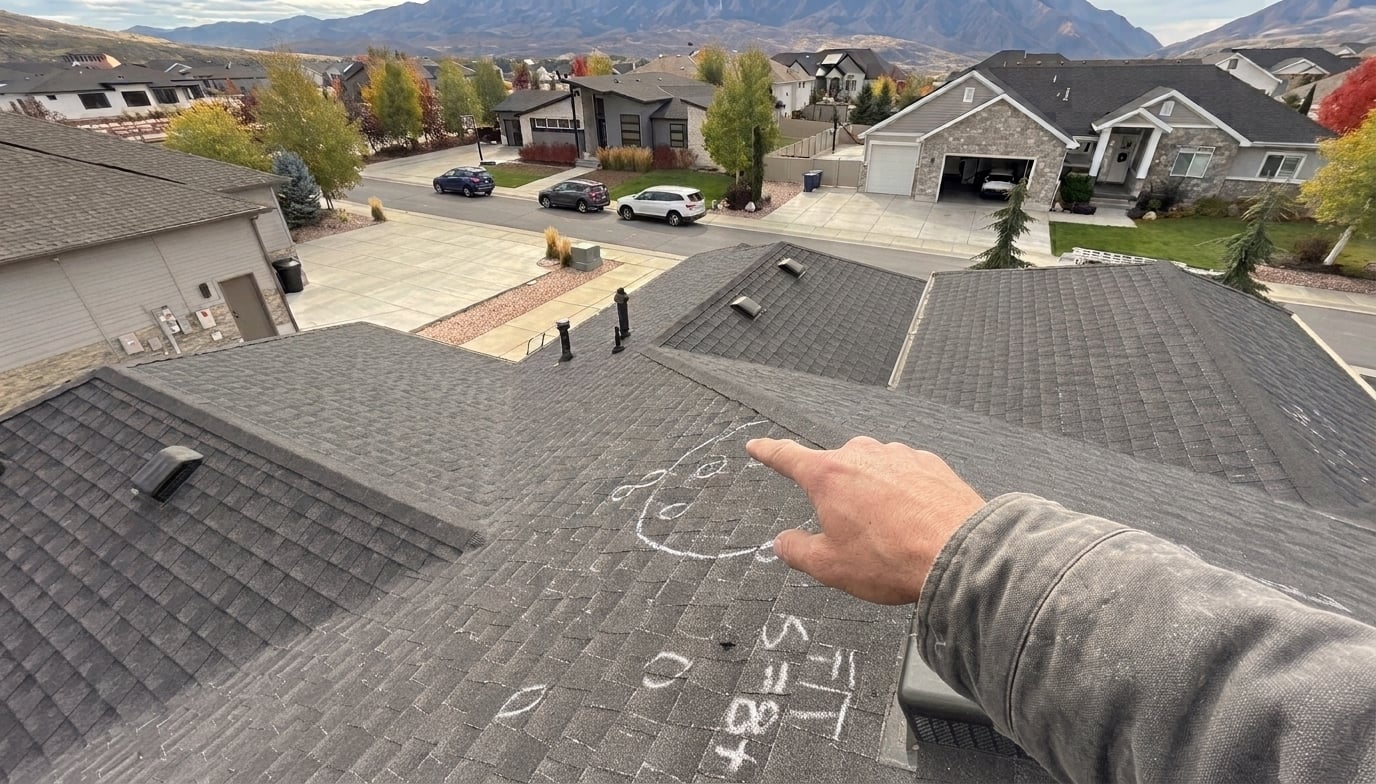
Can You Still Replace Your Roof Before Winter in Utah?
Short answer: No, it is usually not too late. Asphalt shingle roofs can be installed in cold weather. GAF recommends installing at 40°F or warmer, but allows colder installations when contractors follow its cold-weather procedures. Late October and November are still workable in Utah, as long as the roofer follows cold-weather installation steps like hand-sealing shingles and works around storms. The bigger risk is waiting until a leaking or damaged roof has to make it through a full Utah winter.
It is the time of year when Utah homeowners look up at an old roof, look at the forecast and wonder if they missed their window. If your roof is curling, missing shingles, leaking or nearing the end of its life, the real question is not whether it is too late. It is whether your roof can safely handle months of Wasatch Front snow, ice and freeze-thaw cycles.
PRQ Exteriors is a BBB-accredited, Inc. 500 roofing company and a certified Thermaline installer serving homes and businesses across the Wasatch Front. This guide covers how cold weather affects roof replacement, the signs your roof should not wait until spring, when a repair makes more sense and how to add winter protection during a fall reroof.
Can You Replace a Roof in Cold Weather?
Short answer: Yes. Roofs are replaced in cold weather all the time, but cold changes how shingles behave, so the installation has to change with it.
According to GAF, cold weather affects a new roof in two main ways:
- Shingles get brittle. Below about 40°F, asphalt shingles lose flexibility and can crack if they are handled roughly.
- Seal strips don't activate. Shingles have a heat-activated sealing strip that needs warmth, sun and temperatures above about 40°F to bond. Until shingles seal, they are more vulnerable to wind uplift and water getting in.
The fix is a well-known cold-weather process. Roofers hand-seal shingles with dabs of approved roofing cement, store bundles somewhere warm before installation and schedule work during the warmest part of the day. GAF notes that installing in cool weather does not affect its warranty as long as all application instructions are followed, including hand-sealing. Once the weather warms in spring, the shingles finish sealing on their own.
The bottom line: cold weather adds steps, not a hard stop. Roofing in snow, ice or frost is a different story, since the roof deck must be clean and dry before shingles go on.
Fall vs. Winter vs. Spring Roof Replacement in Utah
When is the best time to replace a roof in Utah? Mild, dry fall days are ideal, because shingles can seal in the sun before winter arrives. Winter replacement works with the right precautions, and waiting for spring only makes sense if your roof is truly sound enough to wait.
|
Season |
Pros |
Cons |
Best for |
|---|---|---|---|
|
Fall (October–November) |
Mild days help shingles seal, and the roof is ready before snow |
Schedules fill up as homeowners rush before winter |
Aging roofs, storm damage from summer, planned replacements |
|
Winter (December–February) |
Lower demand can mean more scheduling flexibility, according to GAF |
Snow, frost and short days can delay work; hand-sealing required |
Leaking or damaged roofs that cannot wait |
|
Spring (March–May) |
Warmer temperatures help shingles seal on their own |
Your old roof has to survive a full winter first |
Roofs with years of life left and only cosmetic wear |
If your roof has active leaks, soft decking or storm damage, waiting until spring is the riskiest option on this list. A Utah winter brings heavy snow, freeze-thaw cycles and long inversions that turn small problems into interior water damage.
Signs Your Roof Should Not Wait Until Spring
How do I know if my roof needs replacing before winter? If you see any of these signs, have your roof inspected now rather than after the first big storm.
|
Warning sign |
Why it matters before winter |
|---|---|
|
Active leaks or ceiling water stains |
Snowmelt and ice dams will push more water through the same weak spots |
|
Missing, cracked or curling shingles |
Exposed areas let water reach the roof deck during freeze-thaw cycles |
|
Lots of granules in the gutters |
Shingles are wearing out and losing their protective surface |
|
Soft, spongy or sagging decking |
Damaged decking may not handle the weight of heavy Wasatch Front snow |
|
Damaged or lifted flashing |
Gaps around chimneys, vents and skylights are common winter leak points |
|
Hail or wind damage from summer storms |
Unrepaired storm damage gets worse under snow and ice |
|
Daylight through attic boards |
Light getting in means water and warm air can move through too |
|
A roof near the end of its expected life |
Older roofs are more likely to fail during a long winter |
One sign alone does not always mean a full replacement. A professional inspection tells you whether a targeted repair will get you through winter or whether replacement is the safer choice.
Should You Repair Now and Replace in Spring?
Sometimes a repair is the smartest move this late in the year. Other times it only delays a bigger, more expensive problem.
A repair may get you through winter if:
- The damage is limited to a small area, like a few missing shingles or one cracked pipe boot
- The roof deck is solid, with no soft spots or sagging
- The rest of the roof still has years of life left
- There are no active leaks inside the home
Replacement before winter is usually safer if:
- The roof has leaked in more than one place
- Shingles are curling, cracking or losing granules across large areas
- The decking is soft, rotted or sagging
- You have already repaired the same roof several times
- Storm damage covers a large part of the roof
Pro tip: If you do choose a repair now and a replacement later, ask your roofer to document the roof with photos. That record helps you plan your spring project and can be useful if winter weather causes new damage.
How Roofers Handle a Cold-Weather Roof Replacement
What should a roofer do differently in cold weather? Manufacturer guidance from GAF and Malarkey covers the key steps:
- Store shingles somewhere warm – Bundles should be kept in a heated space before installation, so they stay flexible and do not crack.
- Start with a clean, dry deck – Snow, frost and ice must be cleared before any underlayment or shingles go down.
- Hand-seal the shingles – Roofers apply small dabs of approved roofing cement under each shingle so it bonds even when the seal strip cannot activate.
- Work with the sun – Crews schedule work during the warmest hours and may replace the roof in sections to get the most sun exposure.
- Handle shingles with care – Cold shingles are brittle, so they should not be thrown or dropped.
- Nail precisely – Cold temperatures can affect air compressor pressure, so crews check their nail guns often to avoid over- or under-driven nails.
Ask any roofer you are considering whether they follow these cold-weather steps. A contractor who skips hand-sealing in November is risking your roof and possibly your wind warranty, since Malarkey's wind warranties apply only when shingles are sealed.
Build Winter Protection Into a Fall Reroof
A roof replacement is the best chance you will get to protect your home from Utah winters from the deck up. While the old roof is off, consider these upgrades:
- Ice and water shield – This self-adhering membrane goes under the shingles at the eaves and valleys. It does not stop ice dams from forming, but it helps block leaks when meltwater backs up.
- Balanced attic ventilation – Soffit and ridge ventilation keeps the roof deck cold, which reduces snowmelt from below and helps prevent ice dams. GAF also notes that balanced intake and exhaust reduces condensation risk in winter.
- Heated roof edges – Thermaline heated panels keep eaves, valleys and gutters clear so meltwater drains instead of refreezing. As a certified Thermaline installer, PRQ can add a Thermaline system during your reroof, so it is ready before the first big storm.
- Durable roofing materials – Options like stone-coated steel are worth comparing if you want a roof built for Utah snow and ice.
Adding these during a replacement is easier than adding them later, because the roof deck is already exposed.
What Happens During a PRQ Roof Inspection
Not sure whether to repair or replace? A PRQ inspector can tell you where your roof stands before winter. The inspection is free and carries no obligation.
- Roof surface – We look for missing, cracked, curling or lifted shingles, granule loss and signs of hail or wind damage.
- Flashing and penetrations – We check chimneys, vents, skylights and pipe boots for gaps and wear.
- Decking and attic – We look for soft spots, sagging, leaks, damp insulation and ventilation problems.
- Your written plan – You get photos, a clear recommendation on whether to repair now or replace and a scope and price for the work you choose.
The sooner you schedule, the more mild fall days are left for your project.
Storm Damage, Insurance and Timing
Should I file a roof insurance claim before winter? If your roof was damaged by hail or wind this year, do not wait. Most homeowners policies have time limits for reporting damage, and the exact deadline depends on your policy. Waiting can also make it harder to show which damage came from the storm and which came from winter weather.
If you think your roof has storm damage:
- Document it now with dated photos from the ground and of any interior water stains.
- Review your policy for reporting deadlines and coverage details.
- Get a professional inspection so the damage is documented before snow covers it.
- Prevent further damage with temporary repairs if needed, and keep the receipts.
PRQ's insurance experts can help you understand the claim process and document roof damage.
Frequently Asked Questions
Is it too late to replace my roof in November in Utah?
Usually not. November roof replacements are common, as long as the roofer follows cold-weather installation steps like hand-sealing shingles and schedules around storms.
What temperature is too cold to install a roof?
GAF recommends installing its shingles at 40°F or warmer, but allows installation below that when contractors follow its cold-weather procedures, including hand-sealing.
Does cold weather void my shingle warranty?
According to GAF, cool-weather installation does not affect its warranty as long as all application instructions are followed, including hand-sealing.
Can a roof be replaced when there is snow on the ground?
Snow on the ground is manageable, but the roof deck itself must be clear of snow, frost and ice and dry before installation. Active snowstorms will delay the work.
Will my new shingles seal in winter?
Not on their own until temperatures warm up. That is why roofers hand-seal shingles in cold weather. Once spring brings warmth and sun, the shingles finish sealing naturally.
How long does a roof replacement take in cold weather?
It can take longer than in summer, because crews work during the warmest hours, take extra steps like hand-sealing and may lose days to snow or frost.
Does PRQ replace roofs in my area?
PRQ Exteriors serves Salt Lake City, Sandy, Draper, West Jordan, Park City, Holladay, Cottonwood Heights and communities across the Salt Lake Valley and Wasatch Front.
Get Your Roof Ready Before the Next Storm
It is probably not too late to replace your roof before winter, but every week you wait means fewer mild days to work with. If your roof is leaking, damaged or near the end of its life, an inspection now gives you time to choose between a repair and a replacement on your terms, not in an emergency.
Schedule your free, no-obligation roof inspection today. Request your free roof inspection online, explore roof replacement options or get an instant quote first.
Helpful Resources
- Cool Weather Roofing: Must-Know Tips for Installing Shingles in Cool Temperatures (GAF)
- Installation Guidelines for Application of Asphalt Shingles in Cold Weather (Malarkey)
- Thermaline roof ice melt systems (Thermaline)
This article is for general education. Installation requirements vary by manufacturer and product, and insurance coverage varies by policy. Talk to a licensed roofer about your specific roof.